
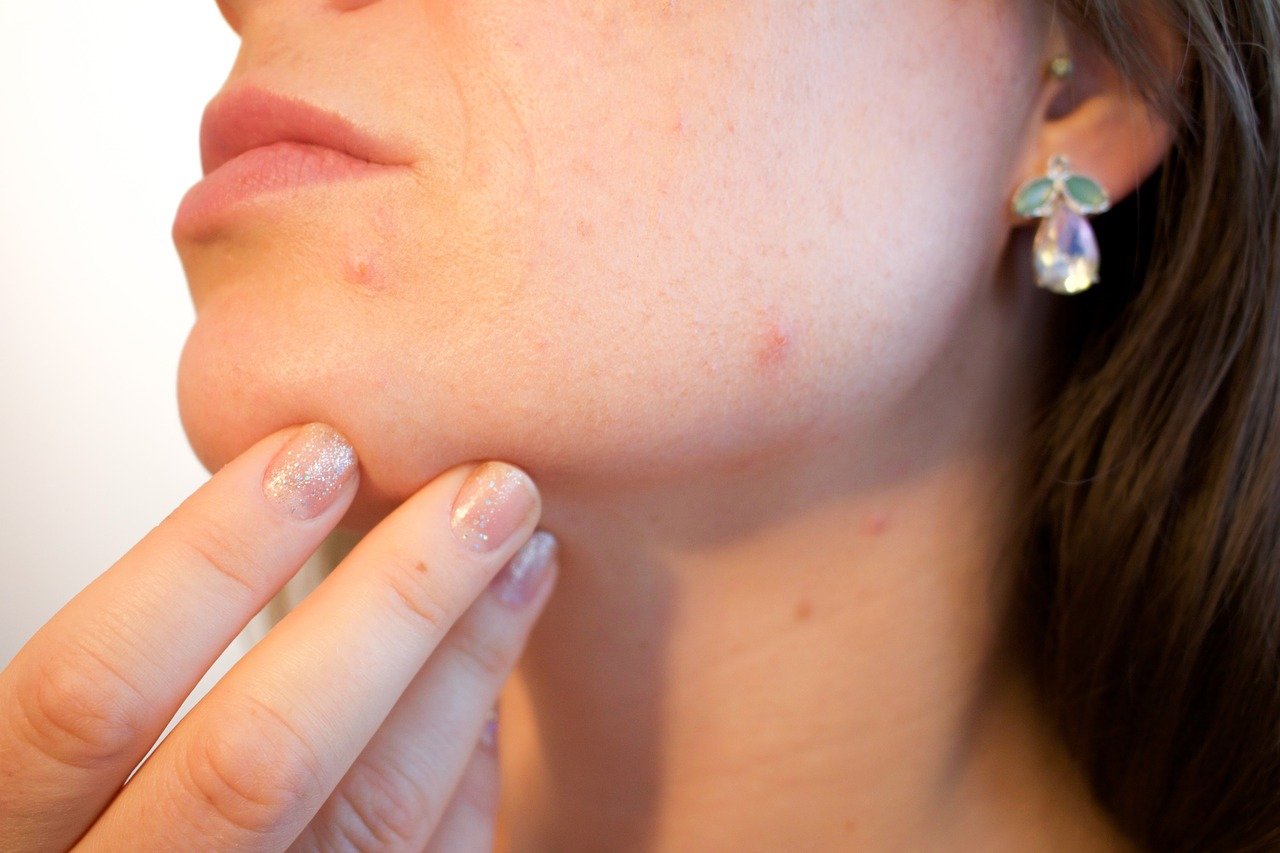
Have you heard of maskne and maskne treatment? If you’re wondering what could cause more pimples to pop up around your nose and mouth than normal, you might be shocked by the culprit: your face mask. Maskne explains acne triggered by wearing a face mask, a concept that started circulating during the COVID-19 pandemic.
A common new-age health problem, mask use can also induce flareups of other skin conditions, such as rosacea or perioral dermatitis, in addition to acne. Perioral dermatitis is a skin disease around the nose and mouth that causes itching, inflammation and pimples. To limit symptoms and prevent unwanted flareups, both of these conditions require a specialized skincare regimen. If you find symptoms of mask us, go to your dermatologist as soon as possible to develop a treatment plan.
The phenomenon also affects people who, especially those who already have acne-prone skin, wear a face covering for extended periods. Although the situation is an annoyance, you may take minor measures to restrict breakouts. Here are some lifestyle tips to help you with Maskne.
What causes Maskne?
Maskne is a type of mechanical acne, which, due to your face and a mask rubbing together, is usually caused by heat and friction. When there is an external irritant that triggers scratching, skin cells tip under the skin in acne-prone people and this causes acne. Your mask can catch your breath, which can cause the skin to be warm and moist in the area around your mouth and nose. This can clog pores, allowing bacteria to thrive and contributing to infections and acne.
Maskne treatment
1. Cleanse your face with a product containing benzoyl peroxide.
This tip is particularly useful for those with oily skin, but be careful: you do not want to overdo it and extract all the natural oils from your face. It is natural for the skin to have oil, and if too much oil is removed, the reaction of the skin is to produce more oil, which can lead to a vicious cycle. It’s more necessary now than ever to practice proper facial hygiene.
In the morning and evening, try gently cleaning your face (especially the ‘Maskne’-prone areas) to ensure that as much build-up is removed from the day as possible. Instead of using rough scrubs, remember to be gentle on your skin, as the purpose is to help protect your skin rather than further damage it.
2. Wash cloth masks frequently.
Use a fragrance-free detergent for washing and try rinsing your masks for an additional period to remove anything that could inflame your skin. Do not use sheets for dryers. After each use, wash your cloth mask to stop bacteria from building up. This can be done either in a washing machine or by hand washing.
3. Before wearing any mask, apply a rich oil-based moisturizer or balm.
To build an additional barrier between your skin and the mask, look for ingredients such as shea butter, cocoa butter or jojoba oil, similar to what you would do for a small child to protect their skin before playing outside in the snow.
4. Apply a barrier
Use a thin layer of barrier ointment on the inflamed, irritated, or damaged areas of the skin after washing and moisturizing your skin each morning (petroleum jelly works well). Before putting on your mask, allow the barrier agent to sit for a few minutes. If you are using disposable masks, this step is usually not recommended.
5. Use a non-comedogenic moisturiser
Invest in hyaluronic acid and ceramides for a rich moisturiser. A non-comedogenic moisturiser can avoid the clogging of your pores. Add moisturises during the day as well as at night, or anytime your skin feels dry. Avoid items containing oil that can result in clogged pores.
6. Skip the makeup.
It’s a good time right now to allow your skin to breathe. Wearing too many items (i.e. makeup, concealer, powder) under your mask will cause the skin to build up and lead to additional inflammation and breakouts. Makeup can clog pores under your mask and contribute to breakouts. Masks are like occlusive barriers that trap the traces of your breath and makeup, rendering the region moist and susceptible to bacterial growth.
7. Face mask size
Look to buy one that covers your nose and mouth while shopping for face masks without being too tight or too loose to prevent excessive friction.
8. Mask material
Soft fabrics such as silk or cotton are superior to synthetic materials that are harder on the skin for those living with acne-prone skin.