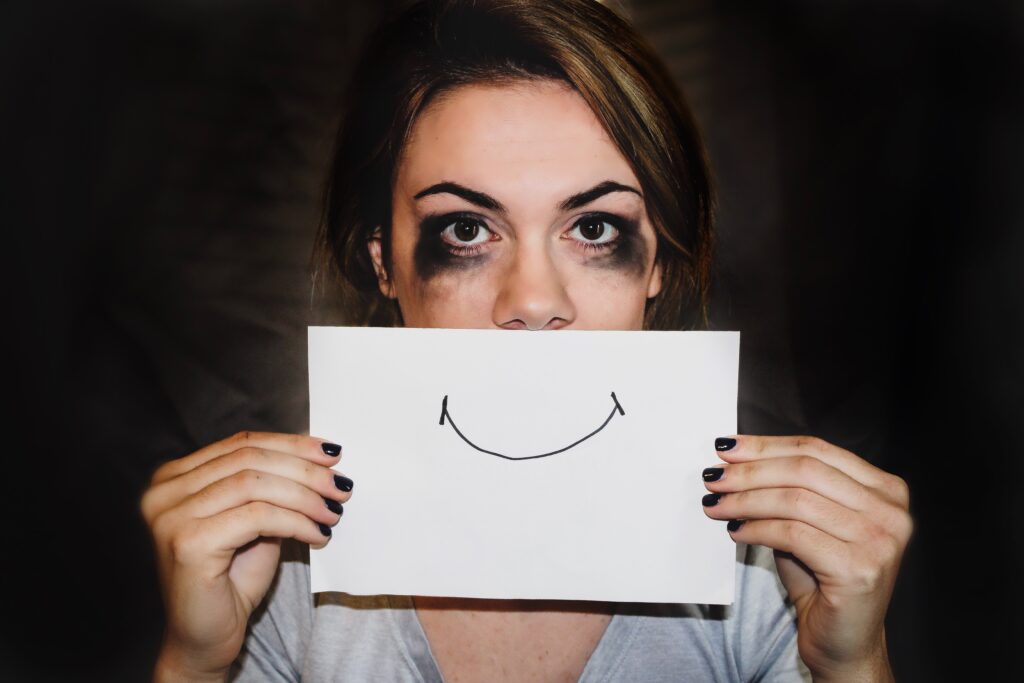
The 2020 COVID-19 pandemic (also known as the Coronavirus) and the physical distancing and stay-at-home orders that come with it have been linked to mental health issues associated with disease-induced morbidity and mortality.
COVID-19 has influenced our lives. Many of us face struggles that can be frustrating, daunting, and cause adults and children to react emotionally.To minimize the spread of COVID-19, public health actions, such as social distancing, are important, but they can make us feel isolated and depressed and can increase stress and anxiety. You, the ones you care for, and those around you will become more resilient by learning to deal with stress positively and help ones personal improvement.
During the pandemic, it is normal to feel tension, anxiety, sadness, and concern. Below are some ways that such feelings may be displayed.
1.Intolerance and conflict in the community:
There have been several reports of acts of belligerence and violence in the community since the introduction of the circuit breaker, especially against those attempting to track and enforce social distancing measures. Racist remarks and social media posts blaming ethnic minorities and foreign staff for Singapore’s spread of COVID-19 are also disturbing. Social psychology has shown that fears about sickness and contagion are partly rooted in prejudice and discrimination. More rigid black-and-white moral views about what is right/wrong or good/evil can also be promoted by increased risks of disease.
Increased intolerance and discrimination against others in our societies who are considered to have beliefs and behaviours that vary from our own is one psychological danger that arises from these simmering fears about contagion. As some parties are reckless, uncooperative, and skirting proper measures to avoid infection, this leads to increased hostility and stereotyping against certain classes who might not have anything to do with the reckless actions.
Another way bigotry can appear is in the form of moralizing behaviour, which refers to the propensity to condemn the perceived shortcomings of others with a superior or condescending attitude (e.g. being outside for non-essential purposes, panic shopping, going to the store with other family members, etc.). These risks may lead to stress and dissatisfaction while undermining the sense of community and cohesion that is particularly important during this time of prolonged social distancing.
2.Social isolation and the need for personal space:
The prolonged periods of social isolation and alienation imposed by it are one of the main psychosocial complaints about the circuit breaker. Fundamental human needs are identity and social relation. The deprivation of meaningful social relations with others, like other fundamental needs such as food and protection, can lead to stress, anxiety, anger and hostility. Yet, for others, the circuit breaker’s social problems can be more nuanced than just isolation. Those who live with others may experience a combination of social isolation and a high need for personal time and space (e.g., roommates, partners, families, etc.).
Our daily routines and activities, such as going to school, working, running errands and enjoying leisure activities, not only provide structure and interactions with others but also opportunities for freedom, autonomy and personal growth/reflection. Psychological threats in this regard may be particularly important for individuals confined to homes where they experience a lack of privacy or personal space, juggle extreme household demands such as caring for young children while still meeting job requirements or people those who are subjected to violence or animosity at home.
3.Infants, toddlers and young children:
Fussiness and irritability, easier to startle and cry and harder to console. Feeding symptoms like frenzied feeding, further reflux, constipation or loose stools, or fresh stomach pain complaints. Needs are articulated urgently while appearing unable to feel fulfilled. Conflict and violence or problems during play. Hitting, disappointment, chewing, and more frequent or serious tantrums.
4.Mental health issues in older children and adolescents:
Mood changes, such as ongoing irritability, feelings of hopelessness or anger, and frequent disputes with friends and family, which are not normal for your child. Behavioural changes, such as stepping back from private relationships. For example, if your usually outgoing teen shows no interest in texting or video chatting with their friends, this may be cause for concern. It’s a tough time to fall or stay asleep, or to start sleeping all the time. Changes in appearance, for example, lack of fundamental personal hygiene (within reason, since many are doing slightly less grooming during this time at home). Increased dangerous or reckless conduct, such as alcohol or drug use. Thoughts on or talking about death or suicide.
Certain populations may be more prone to the psychosocial consequences of pandemics than others. In particular, there is an increased risk of adverse psychosocial consequences for those who develop the disease, those at increased risk for it (including the elderly, people with impaired immune function, and those living or receiving treatment in congregational settings) and people with pre-existing medical, psychological, or substance use issues.
In the current pandemic, health care workers are also especially susceptible to emotional distress, given their risk of exposure to the virus, anxiety about infecting and caring for their loved ones, scarcity of personal protective equipment (PPE), longer working hours, and participation in resource allocation decisions that are emotionally and ethically charged. These and other individuals at risk for adverse psychosocial effects should concentrate on preventive efforts such as screening for mental health issues, psychoeducation, and psychosocial help.
This is a blog writing sample. Want an article like this done for your blog? Click here and make a booking using the booking form.
[hubspot portal=”6585271″ id=”3adaaebe-1485-4db2-aae5-4cfbb3f7c8dd” type=”form”]