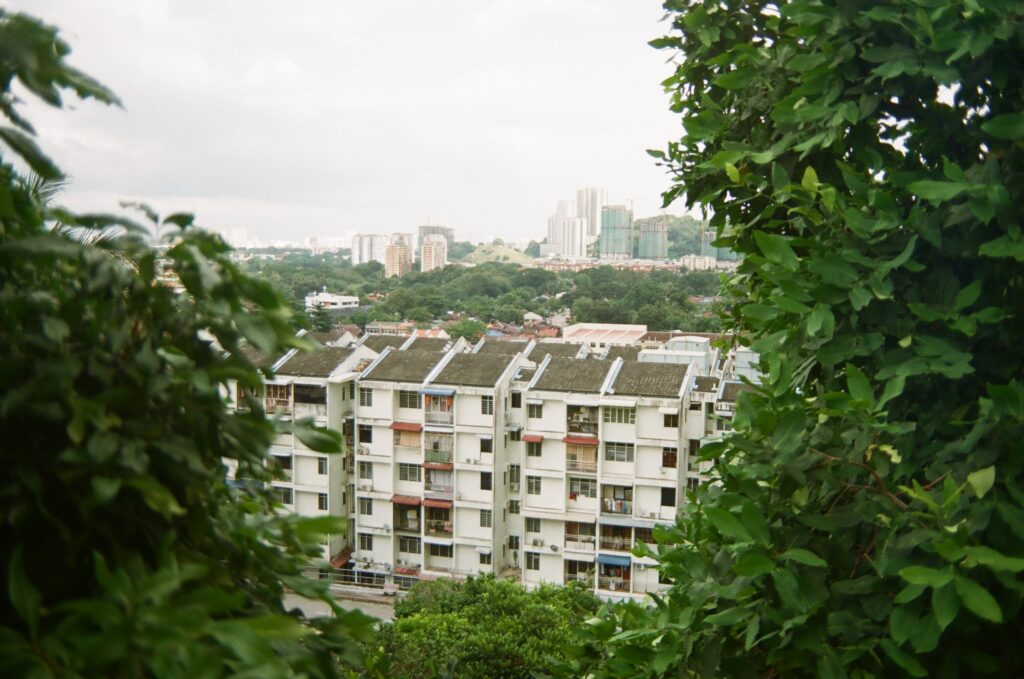
Renting out your house or apartment can be a fascinating experience. However, the reality of being a landlord might come with property disputes. This is especially important in Malaysia, where no official landlord-tenant law exists. Landlords and tenants are like married couples in certain ways. Both can’t live without the other, there will be unrealistic expectations, and the fallout might be unpleasant if not handled appropriately. More individuals will rent for the foreseeable future rather than buy a home as property prices continue to rise and wages remain stagnant.
As Malaysia lacks legislation regulating rental operations, the legal rights of the landlord and tenant are subject to contract, i.e., the lease agreement. If a tenant violates the tenancy agreement, the landlord or vice versa might file a civil action to pursue the sanctions outlined in the tenancy agreement. The landlord, on the other hand, should not use self-defence measures such as changing the lock or forcibly taking ownership of the property, as they may face legal action from the tenants. It’s important to remember that breaking a lease agreement is a civil, not a criminal offence under Malaysian law. This is why many landlords who resort to filing a police report to deal with a difficult tenant are frequently turned away by police officers who advise them to seek legal advice. Being aware of Malaysian property law is important for all parties involved in the tenancy of a property.
Terms to Look Out for if You Are a Landlord and Want to Avoid Property Disputes:

a) The renter is responsible for keeping the premises’ fixtures and fittings in good working order.
b) Is the tenant permitted to make alterations or additions to the premises, and if so, what are the restrictions, and should the landlord be consulted first?
c) The renter is not permitted to utilize the premises for any other purpose, such as a residential home that is used for commercial reasons.
c) It is illegal for the tenant to assign or sublet the premises.
a) The right of entry and inspection of the premises by the landlord (with adequate notice beforehand)
g) Deliver vacant possession of the premises in a clean and tenantable condition to the tenant after the tenancy.
Terms to Look Out for if you are a Tenant and Want to Avoid Property Disputes :
a) The landlord is responsible for the upkeep of structures such as the roof, walls, water piping, and electrical wiring.
b) The tenant’s right to quiet enjoyment of the property free of unwelcome intrusion and disturbance
b) Whether the tenant has preference over others if the tenancy is renewed after the term.
Terms to Regulate Disputes:
a) If any of the agreement’s provisions are broken, one party must notify the other.
b) The complaint must be resolved within a certain amount of time.
b) The offended party has the right to terminate the agreement if the complaint is not resolved.
d) In the case of the landlord, the Rental and Utility Deposits may be deducted or forfeited.
Past the Honeymoon Phase – Failure to Pay Rent
Reminders have been sent out regularly. The tenant just refuses to pay the rent, inventing a variety of excuses in the process. What should I do next? One alternative is to end the tenancy agreement after giving the renter adequate notice and having them evacuate the property. The Rental and Utility Deposits should usually be sufficient to cover the arrears.
Occasionally, the tenant refuses to pay the rent and will not leave the premises despite the agreement being terminated. The landlord may then file a claim for late rent under the 1951 Distress Act. The Act authorizes the landlord to seek a warrant of distress from the court to recover rent for a period of up to 12 months. In short, the court will send a bailiff to collect the tenant’s possessions (with some restrictions) and sell them to satisfy the landlord’s arrears.
The bailiff will issue a notice of seizure to the tenant after entering and seizing the tenant’s possessions, which will include a copy of the inventory, the amount owed, and a notification that the property will be sold unless the arrears are paid within 5 days. If the tenant fails to pay the rent, the property will be seized and sold at a public auction, with the revenues going to the landlord.
For an amount up to six months’ rent, Section 20(1) of the Act gives the landlord priority over other judgment creditors (this priority excludes claims by the Federal Government or any State Government).
The Messy Breakup – Refusal to Vacate the Premises
Regrettably, the nightmare persists. What should you do if a rogue renter refuses to leave? The tenant should be given notice once more. It’s also worth noting that Section 28(4)(a) of the Civil Law Act 1956 stipulates that if a tenant stays on the premises until the end of his tenure, the landlord can raise his rent until he relinquishes possession.
What happens if the notice isn’t returned? Most respondents believe that self-help actions like breaking in or chaining up the premises are legitimate. This is technically forbidden. Before a landlord can reclaim ownership of a property from a tenant, he must first get a court order under Section 7 of the Specific Relief Act 1950.
A Sessions Court has the power to adjudicate civil disputes between a landlord and a tenant under Section 65(1) of the Subordinate Courts Act 1948. The length of the legal process is determined by the type and severity of the disagreement. If your lawyers have told you that it is a simple problem with no factual disagreements, a landlord can file a summons and have the matter decided solely based on affidavit evidence.
If there are important facts in dispute, however, it is best to use a Writ of Summons. Even if you have a Writ of Summons, you can seek a summary judgment to speed up the process. When the landlord obtains a favourable decision, he should serve it on the renter. If the renter refuses to leave, a Writ of Possession might be issued. A court bailiff will then evict the renter and secure the property for the landlord.
Both the landlord and the tenant will always wish for a happy ending. But reality sets in, and things don’t always go as planned. As a result, all parties must be aware of the law and relevant solutions.
This is a blog writing sample. Want an article like this done for your blog? Click here and make a booking using the booking form.
[hubspot portal=”6585271″ id=”3adaaebe-1485-4db2-aae5-4cfbb3f7c8dd” type=”form”]