Some people may be considering meditation for stress release during the pandemic. The confusion surrounding the coronavirus is a difficult thing for many people to contend with. We still don’t know how we might be affected, how long it’ll take, or how bad things will get. As a result, it’s all too easy to get swept up in a downward spiral of dread and panic. However, even amid this unique crisis, there are also things you can do to control your anxiety and fears while maintaining your health and personal improvement goals.
Many people are feeling elevated stress and anxiety as knowledge about the COVID-19 pandemic shifts all the time. Lothman advises guided meditation to calm the body and mind. Guided meditation is a type of relaxed concentration in which you obey the directions of a narrator about breathing and imagery. Breathing exercises, particularly for younger children, are also helpful. You could do this three or four times a day. Maybe not the whole meditation, but even 10 breaths can be enough to make a difference in your inner experience.
Meditation is a simple and efficient form of reducing stress and anxiety. Here’s how to integrate meditation into your everyday routine to safeguard your mental health during COVID-19.
Understanding meditation for stress release
For thousands of years, people have been meditating. Meditation was developed to assist in the perception of life’s divine and mystical powers. Meditation is widely used these days for relaxation and stress management. Meditation is a form of complementary medicine for the mind and body. Meditation will help you reach a deep state of relaxation as well as a relaxed mind. During meditation, you concentrate your focus and clear your mind of the jumbled thoughts that could be troubling you and causing stress. Physical and emotional well-being can be improved as a result of this process.
Meditation is not an escape from reality; it is a calm experience with it. And this is particularly true in a country whose civilization dates back 5,000 years, especially when Indian history is riddled with tales of saints, sadhus, and Sufis who were so engrossed in meditation that even ants passed through their nasal cavities. Although this is not realistic in today’s fast-paced, multi-tasking environment, the Covid-19 pandemic has brought us to our knees, forcing us to look in directions that have always existed, such as water or air. According to health and yoga experts, meditating daily improves the immune system, providing a defensive shield against this highly contagious disease.
How Does Mindfulness Work?
According to some psychologists, mindfulness helps people embrace their experiences, including traumatic feelings, rather than responding to resistance and avoidance. Mindfulness meditation is increasingly being used in conjunction with psychotherapy, especially cognitive-behavioural therapy. This is understandable, considering that both meditation and cognitive behavioural therapy seek to help people gain perspective on irrational, maladaptive, and self-defeating feelings.
Mindfulness may be practised in several ways, but any mindfulness technique aims to achieve a state of alert, concentrated relaxation by paying attention to thoughts and feelings without judgement. The mind can refocus on the present moment as a result of this. Meditation is a concept that includes all mindfulness methods.
Just three of the 195 Yoga Sutras discuss physical asanas. The rest is all about the mind and its amazing strength, which is almost mystical. Patanjali can be considered the world’s first psychologist. Meditation aims to remove the mind from the problem. People who are in pain feel more pain when they are concentrating on the pain, which increases the severity of the pain. Meditation techniques may help to improve immunity, especially if one exhales correctly and deeply; this alone purifies the lungs. Even five minutes of Pranayam per day is helpful, particularly during these periods when everyone is anxious.
This 2-minute meditation will assist you in dealing with tension during COVID-19 lockdown:
Beginner’s Guide
Key points to remember.
The national curfew imposed by the coronavirus pandemic can be traumatic. There are, however, a variety of things you can do to help you deal with stress and anxiety. Making meditation a daily routine is a wonderful way to keep your mental health and well-being in order.
The novel coronavirus pandemic has brought the whole world to a halt. It’s important to look after our mental wellbeing while we go on lockdown and stay at home to suppress the dreaded SARS-CoV-2 virus that triggers COVID-19. There are several services available to assist you in coping with the tension and anxiety brought on by the pandemic. Meditation is a fast and easy way to de-stress while also restoring relaxation and inner peace.
Consider integrating meditation into your everyday routine if the current COVID-19 pandemic has you nervous, worried, and anxious. Mindfulness meditation, in particular, has been shown to help people deal with psychological problems such as anxiety, depression, and pain. According to a study, the mind-calming method will also help you sleep better by relaxing your body. During the lockdown, the Health Ministry has been releasing videos on how to deal with tension and maintain overall well-being. The ministry recently shared an instructional video on stress management through meditation.
How to meditate every day
Meditation should be used by everybody to improve their mental and emotional health. Furthermore, it is easy to do and does not require any special equipment. Here are a few pointers to help you make sure you do it every day:
Start with just 2 minutes per day: If you start with just 2 minutes per day, you could find it easier to stick to your practice. This can be helpful, particularly when it comes to developing a long-term habit. You should progressively increase your meditation time if it makes you feel good.
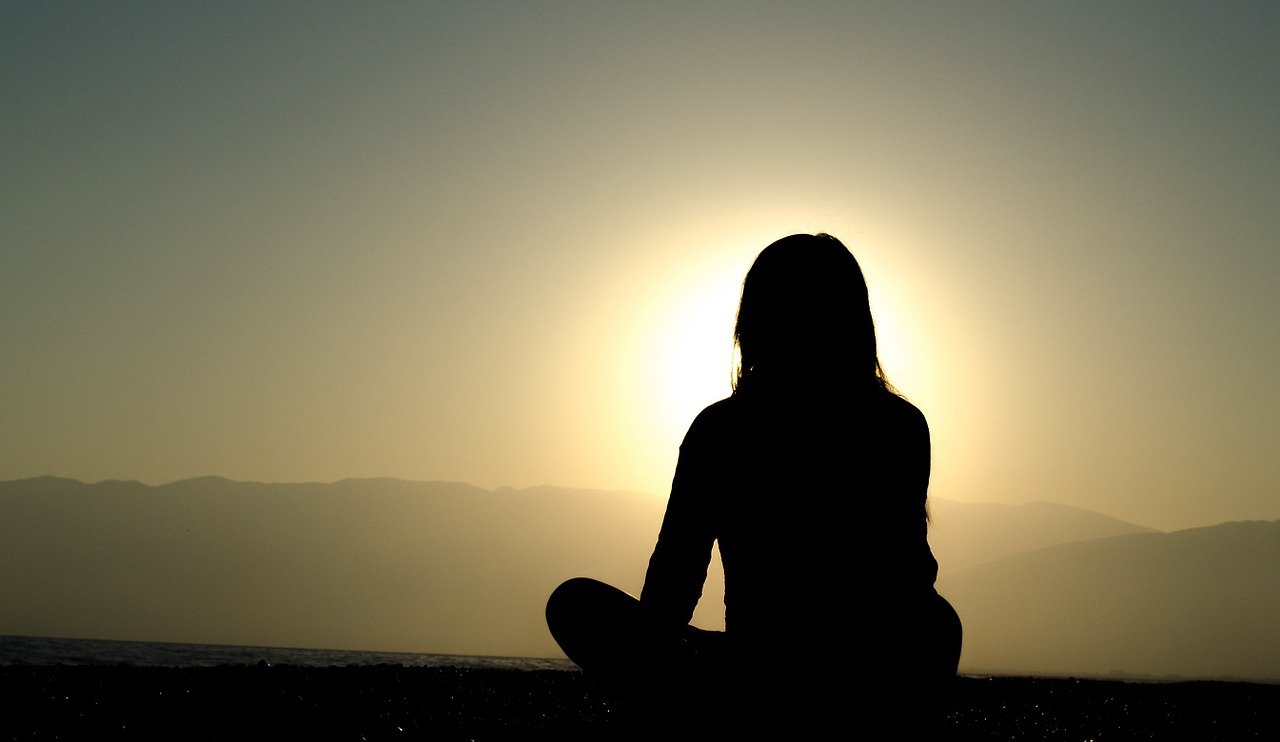
Sit or lie comfortably: Simply sit on a cushion on the floor, or if you’re not comfortable sitting on the floor, sit in a chair or sofa.
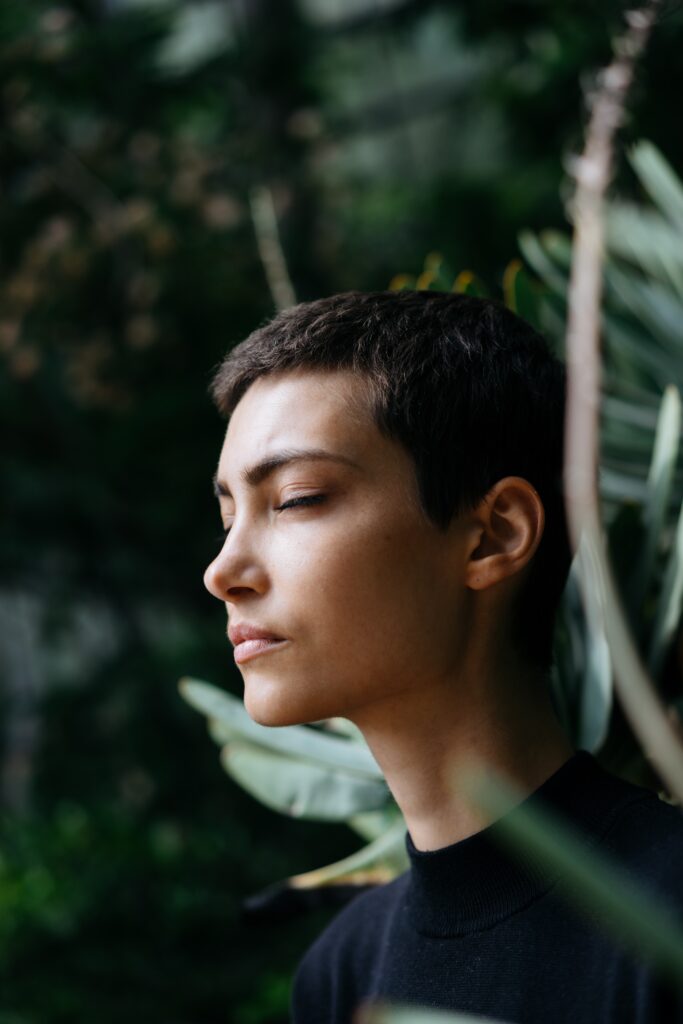
Close your eyes: If you’re lying down, cooling eye masks or restorative eye pillows are recommended.
Focus on your breath: When you inhale and exhale through your nostrils, pay attention to your breath. Slowly and thoroughly inhale. If your mind begins to drift, gently bring it back to your breathing.
Prayer is the most well-known and commonly practised method of meditation, according to the Mayo Clinic.
This is a blog writing sample. Want an article like this done for your blog? Click here and make a booking using the booking form.
[hubspot portal=”6585271″ id=”3adaaebe-1485-4db2-aae5-4cfbb3f7c8dd” type=”form”]