
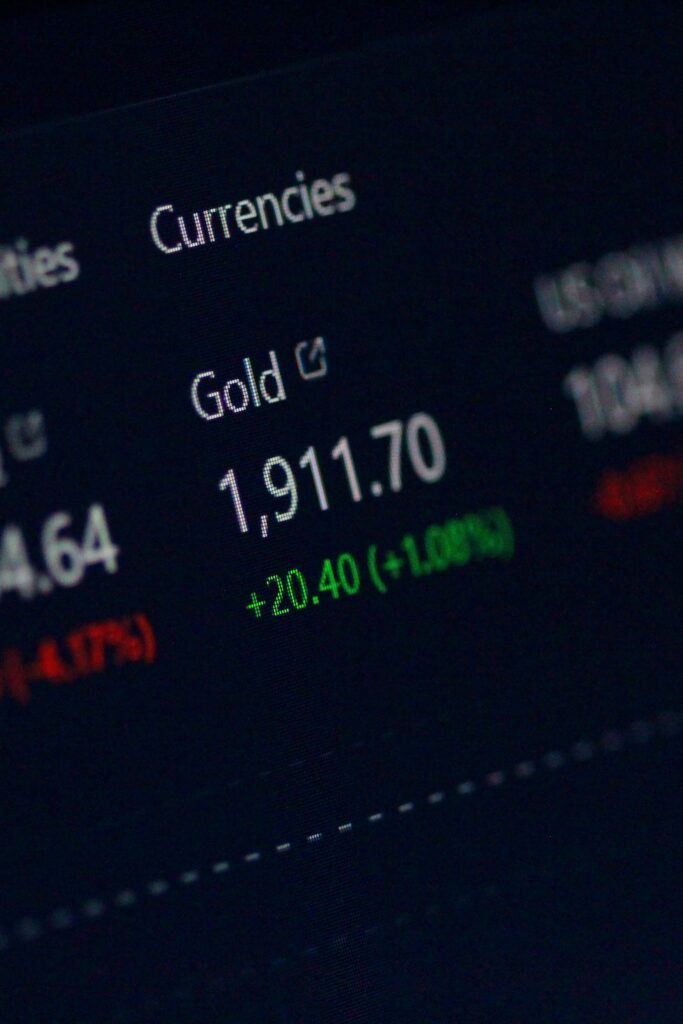
Gold is a precious metal that has both financial and physical uses. It has more than just economic worth in society as it is also prized as a means of storing and displaying wealth and culture. If you woke up to find that gold prices today have been volatile, then you might be wondering about the factors that influence volatility in the gold market.
Due to excessive demand by people looking to buy gold at the cheapest price, as well as insufficient supply around the world, its prices appear set to continue to rise in the long run. However, the price of gold may be volatile in the near term due to a variety of possible reasons.
Gold is a superb traditional form of investment or savings. Gold jewelry was traditionally given to newlyweds as a sign of good luck as well as an emergency reserve for rainy days.
Gold is viewed by modern investors as a risk-free investment. The price of gold does not rise quickly, but it does rise steadily. They may not make a lot of money, but there is no danger of a market meltdown.
What Are Some Factors That Influence Gold Prices?
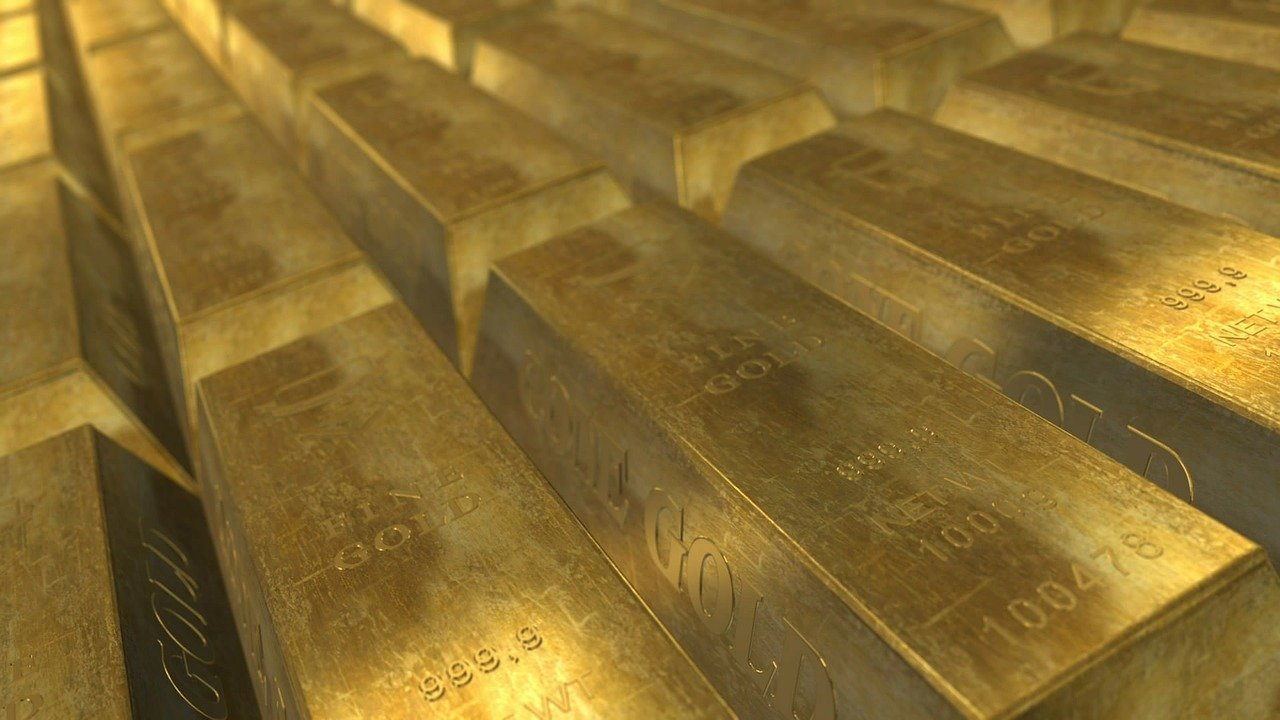
Gold is a precious metal that is valuable to its keeper. Gold can be melted and reassembled to fulfil a variety of uses due to its long life and extreme toughness.
After the mid-1980s, the price of gold remained constant for the next 20 years. However, since the Washington Agreement on Gold in 1999, which prohibited central bank sales until 2011, it has been on the rise.
Since then, the price of gold has been fluctuating freely, and it appears to be driven by the simultaneous interaction of several factors. This makes predicting its future movement difficult. As a result, further research is needed to pinpoint the elements that influence gold price fluctuations.
Inflation
During periods of strong inflation, gold prices tend to rise. Commodities soar during such periods as investors seek safe havens to weather the storm. When confidence in the local currency is low, gold is frequently employed as an alternative form of savings.
There are moments, however, when this deviates from the norm. A good illustration is in a gold rally when the gold market has been booming in a period of negative bond yields and low inflation. Given such market conditions, gold-backed exchange-traded funds, as well as the futures and options market for trading precious metals like gold, silver, and copper, will continue to see a lot of activity.
Inflationary pressures could drive up gold prices in the future. People believe that by investing in stocks, property, and other assets, they can protect and increase the value of their wealth. They are unaware, however, that their actions will raise the prices of such assets even more. As a result, the overall price levels will rise.
Further investment in certain assets could result in asset bubble issues due to arbitrageurs’ speculation. As investors move their money away from risky assets and toward safer alternatives, money will flow into the gold market.
As a result, the price of the commodity will be pushed higher. Gold prices will rise in response to increased demand and restricted supply. This hypothesis is supported by a study undertaken, which discovered that inflation hedging can influence gold prices. Furthermore, there was a positive correlation between the movement of the Consumer Price Index (CPI) and the return on gold.
Supply And Demand
Simple supply and demand economics can also influence physical gold prices, which is an often-overlooked point.
Increased demand combined with constricted or low supply tends to drive up costs for any good or service. In contrast, a surplus of an item or service combined with stagnant or weak demand can cause prices to fall.
According to the World Gold Council, gold demand increased 15% to 2,335 tonnes in the first half of 2016, with investment demand up 16% to its highest level since 2009. However, the gold supply increased by only 1% in the first half of 2016, the weakest pace of supply growth since 2008.
Monetary policies
Because of a factor known as “opportunity cost,” interest rates have a significant impact on gold prices. The concept of opportunity cost refers to the idea of foregoing a nearly certain profit in one venture in exchange for the possibility of a higher profit in another.
Bonds and CDs may produce nominal returns that are less than the national inflation rate in some situations. This results in monetary advantages but real-world losses. Because the opportunity cost of foregoing interest-based assets is low, gold becomes an attractive investment possibility despite its 0% yield.
Rising interest rates have the same effect, increasing interest-bearing asset yields while increasing opportunity costs. In other words, when lending rates climb, investors will be more likely to forego gold in favour of a larger assured return.
The gold markets are also affected by Federal Reserve statements. The Federal Open Market Committee meets approximately every six weeks to discuss the state of the economy and the direction of monetary policy. If the FOMC takes a posture that suggests rates could rise soon, gold prices tend to fall as the opportunity cost of foregoing interest-bearing assets rises once more. If the FOMC suggests that rates will remain unchanged, gold prices tend to climb since the opportunity cost of trading interest-bearing assets for gold remains low.
Currency Trends
The exchange rate is the cost of converting one currency into another. Gold prices are linked to key exchange rates including the US dollar, the British pound (GBP), and the Australian dollar (AUD). According to previous research, the floating exchange rate regime used by those countries is one of the key reasons for price instability in the global gold market. Exchange rates and gold prices have an inverse relationship, with an increase in the exchange rate tending to increase gold prices as well.
ETFs
Although ETFs aren’t designed to move the market, they’re nonetheless worth mentioning. Investors can buy ETFs, which are basket funds that provide increased liquidity and the chance to diversify their risks across a large number of assets for a low cost. The SPDR Gold Shares ETF, the largest gold ETF, buys and sells actual bullion based on investor demand. The buying and selling activity of ETFs can alter the price of gold as investor demand changes. In 2016, cash inflows into gold ETFs increased, resulting in increased ETF purchase activity. The price of gold is likely to rise as a result of this buying activity.
Market Uncertainty
Although there is no single factor that fully encapsulates the uncertainty that might affect gold, political uncertainty and/or instability are probably the best illustration. Simply put, the stock market craves predictability, and it is frequently the adversary of gold prices. Uncertainty about how Brexit will affect the United Kingdom and Europe, as well as who will be elected the next president of the United States and whether terrorist threats in the Middle East can be addressed, are all factors that can contribute to global growth uncertainty and drive up gold prices.
One thing investors should bear in mind is that, unlike many of these other factors, uncertainty is not a measurable statistic. It’s a wholly psychological aspect that varies from event to event and is investor-dependent.
Economic Data
Economic data from the United States is another factor that influences gold prices. Jobs reports, salary statistics, manufacturing data, and data like GDP growth all influence the Federal Reserve’s monetary policy decisions, which can affect gold prices.
A stronger US economy — low unemployment, job growth, manufacturing expansion, and GDP growth of more than 2% — tends to push gold prices lower, though this isn’t always the case. Strong economic growth suggests that the Fed may tighten monetary policy, affecting the opportunity cost dynamic. On the other hand, poorer job growth, rising unemployment, falling manufacturing data, and sluggish GDP growth could lead to a dovish Fed and higher gold prices.
.
This is an article sample. Want an article like this done for you? Click here and make a booking using the booking form.
Recommended based on your activity:
 From physical gold bars to gold ETFs, here are 4 of the safest ways to buy gold
 Choosing the Right Writing Service: Key Factors to Consider for Your Business
 Is obesity hereditary? Here are 8 surprising factors that could lead to obesity
 Comparing Writing Services: Key Factors to Consider for Hiring the Right Provider